Trains, Planes, and Automobiles: Pros and Cons for Autistic Travelers
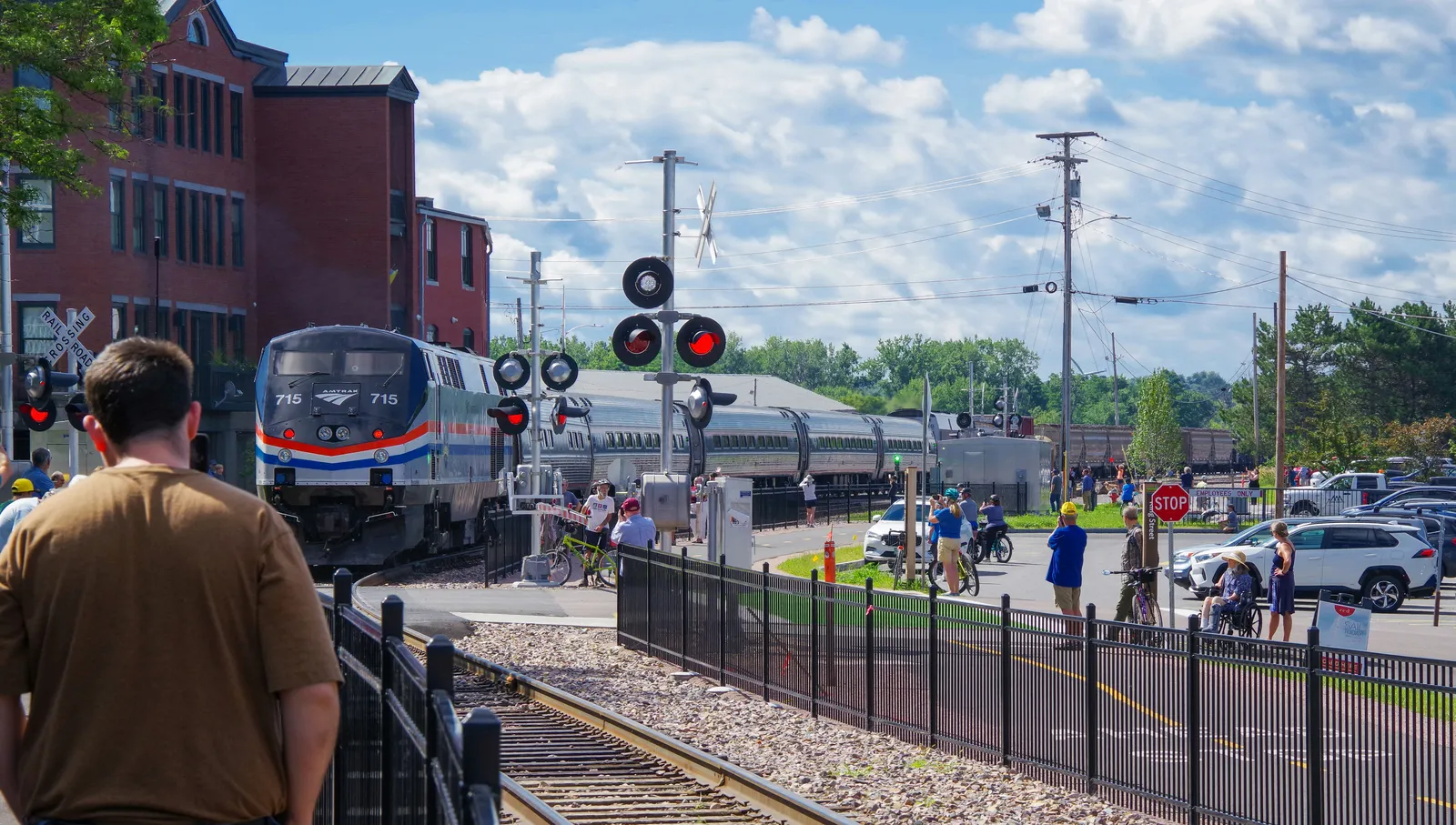
First, go ahead and crack whatever jokes you want to get them out of your system. “Autistic people talking about trains?! No way!”
Beyond the stereotype, this post breaks down different transportation methods and their pros and cons from a spectrumite’s point of view. To preface: we're looking at this from a US-centric perspective where motor vehicles dominate. If you're elsewhere in the world, your experience will vary based on local transit networks. (And if you’re experienced with public transit in your region, email me! I’m always looking for guest bloggers.)
The "Last Mile" Problem: Cars
Let's get the most obvious option out of the way: cars.
The United States is built on the flawed concept that everyone can—and wants to—operate a motor vehicle. But not everyone is physically or mentally equipped to drive. Take me, for instance: I love riding my motorcycle; it’s my happy place. But driving a half-ton metal box on four wheels gives me way too much anxiety, so I will likely never get a driver's license. Living in Kansas, where severe weather brings 80 MPH winds and grapefruit-sized ice flying at Mach Jesus for half the year, riding isn't always an option either.
Unless you are traveling entirely within a densely urbanized city with solid public transit, you will almost certainly need a car or rideshare to handle the "last mile" to your final destination.
Planes: Fast, Efficient, and Sensory-Heavy
Just to annoy the foamers in the audience, let's start with air travel. Statistically, flying is the safest, fastest, and most reliable way to cover long distances (yes, even on Boeing aircraft). Planes can fly over or around severe ground weather that would stop cars and trains in their tracks.
- The Cons: Heavy engine noise, unavoidable vibrations/turbulence, and crowded cabin quarters.
- The Pros: Speed, high on-time reliability, and minimal travel time overall.
- Autism-Friendly Hacks:
- Dampen the Noise: Noise-canceling headphones or earplugs are essential for takeoff and landing. Once at cruising altitude, the white noise becomes far more tolerable.
- Book an Aisle Seat: If cramped quarters overwhelm you, an aisle seat lets you stretch out slightly into the center aisle so you feel less trapped.
- Check Your Luggage: Pay extra to check your main bags. Keeping only a small personal item lets you grab your bag and dash off the plane the moment the doors open.
Trains: Spacious and Relaxed (If You Have Time)
If you aren't in a hurry, train travel offers a far more relaxed, spacious environment than flying.
- The Cons: Significant delays are common. Arriving six hours late on long-distance routes like the California Zephyr can literally be considered "early compared to normal". Severe delays can even run the kitchen out of fresh food, forcing them to serve "Amstew" (heated cans of Dinty Moore beef stew). Cell service and Wi-Fi are also notoriously spotty.
- The Pros: Coach offers generous legroom, 2x2 seating, power outlets, and room to walk around. First-class sleeper rooms offer complete privacy, beds, in-room sinks, and included dining car meals. (Pro tip: get the railroad French toast for breakfast and the flatiron steak for dinner).
- Autism-Friendly Hacks:
- Avoid Forced Socializing: Standard dining car meals seat you with strangers. If that triggers social exhaustion, request room service to have your meals delivered directly to your sleeper cabin.
- Pack Nighttime Sound Protection: Bring earplugs or headphones to block out snoring in communal sleeper areas.
No matter how you travel, you will run into minor hurdles along the way. But with some foresight and preparation, any trip can be a rewarding experience.
What is your go-to strategy for handling sensory overload while traveling? Do you have a favorite mode of transit? Reach out to us at Travel with Chance or share your tips with us on Facebook or Instagram!