Factoring Winter Weather into Neurodiverse Travel Plans
Traveling for the holidays can be exciting, but the stress and anxiety of the journey can easily crush those warm feelings before you even step out the door. One major factor people often forget to account for is severe weather. If you have a child who is non-verbal and terrified of thunderstorms, navigating torrential rain in the driver's seat while your kiddo panics in the back can quickly turn a road trip into a nightmare.
In this post, we’re breaking down the risks of traveling during storm season and how to build safety nets that protect your neurodiverse family.
1. Partner with a Helper (In-Person or Virtual)
The single biggest asset you can have while traveling is a trusted helper—whether they are sitting in the passenger seat or checking in with you remotely as a virtual coordinator.
If your helper is traveling with you, sit down a week or two before your trip to outline key contingencies:
- Flight Disruptions: If a blizzard delays our flight, what is our immediate backup plan?
- Driving Duties: If severe storms pop up on the highway, can you take the wheel so I can sit in the back and comfort our child?
- Monitoring Sources: What official outlets will we check to monitor weather conditions along our route?
- Insurance Details: Do we have travel insurance if things go completely sideways, and what does our policy actually cover?
If you're using a virtual helper (such as a remote contact or a specialized travel planner), make sure to establish a solid communication backup plan in case cell service drops.
2. Check Official Weather Forecasts Before You Leave
On the morning of your trip, go directly to the National Weather Service website and read the national weather summary at the top of the page.
From there, click on the map along your specific travel route to see what local Weather Forecast Offices are predicting. Look specifically for their Weather Stories—these are usually brief, 1-to-3 image slideshows that break down expected hazards in plain language. It is the fastest, most reliable way to know what you’ll be driving or flying through.
3. Prepare for Flight Groundings and Delays
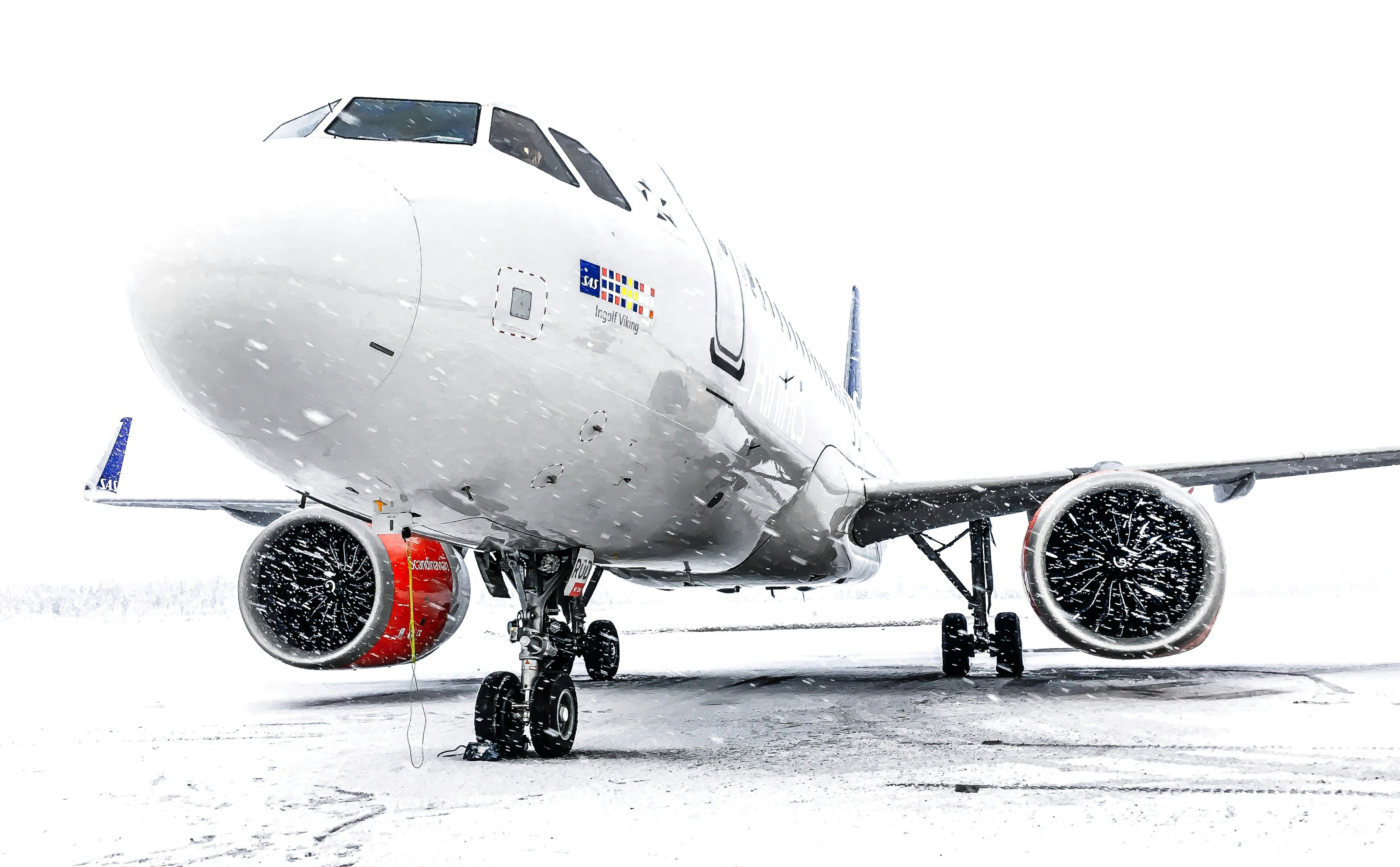
When flying, snow and ice storms are far more disruptive than rain. While pilots can often fly over or around rainstorms, severe winter weather regularly grounds flights entirely, leaving travelers stranded at the gate.
This is where specialized travel insurance shines. Instead of sleeping on airport terminal floors, a good policy can cover a nearby hotel room during extended delays. When traveling with sensory sensitivities, that coverage means the difference between a minor inconvenience and a massive sensory meltdown.
At Travel with Chance, we partner with several insurance agencies to find policies that match your exact needs. We can also monitor your itinerary remotely during severe weather, stepping in to handle rebookings and hotel arrangements so you don't have to wait in line or make stressful phone calls.
4. Adapt Your Road Trip Tactics
If you are driving, ensure your travel partner is able to take over behind the wheel. Having someone you trust take the wheel while you sit in the backseat to comfort your child can save the entire trip. Likewise, if you are a neurodivergent driver, switching off before hitting bad weather reduces your risk of getting overwhelmed by sensory fatigue and anxiety.
Don't be afraid to pull over and wait out the storm. Taking a two-hour break at a rest stop or eating a slow meal at Subway while the skies clear up is always better than pushing through dangerous weather under high stress.
How do you handle unexpected weather delays when traveling with your family? Reach out to us at Travel with Chance or drop a comment on our social media to share your holiday safety tips!