Coping with Overstimulation During Travel
Travel can be difficult if you get easily overwhelmed by stimuli. Fluorescent lights, loud engines, and unfamiliar beds can make things nearly unbearable. Fortunately, using targeted coping strategies can transform a daunting journey into a bearable, if not pleasant, experience.
Packing for Sensory Safety
Here are a few essential items to keep in your carry-on for when sensory overload hits:
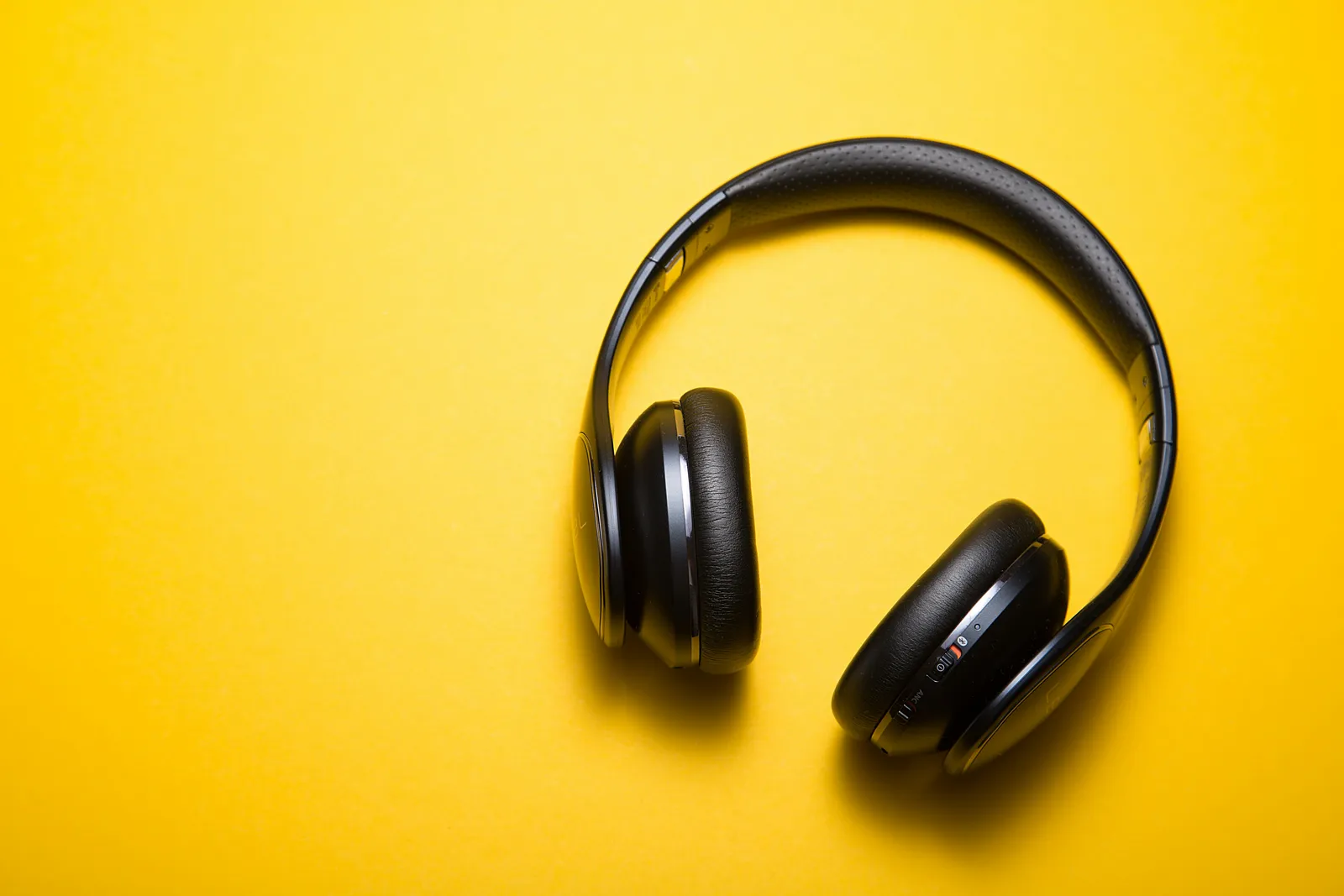
- Noise-Canceling Headphones/Earbuds: When I get overstimulated, these are a total lifesaver. Popping them in creates enough mental quiet to process what is happening and figure out a game plan.
- Sunglasses or Photochromic Lenses: Light can be just as overwhelming as sound. Bring a dark pair of sunglasses to tone down harsh lighting. If you suffer from photosensitivity like me, photochromic (Transitions) lenses are a godsend—even without a prescription—because they automatically adjust to reduce brightness outside.
- A Change of Clothes: Flying often means starting in a cold climate and landing in a hot one. Pack a short-sleeve shirt in your bag so you can swap out heavy layers. Ducking into an airport restroom to change might feel a bit awkward, but you’ll thank yourself when you aren't soaked in sweat or shivering.
- Fidget Toys: If you're stuck in a seat on a plane or train where moving around isn't an option, a fidget tool helps redirect pent-up energy before you become completely overwhelmed.
- Compact Entertainment: Bring a book, download movies, or pack a coloring book with pencils to keep your mind occupied. Just keep your seatmates in mind and avoid activities that require extra elbow room.
Creating a Safe Space at Hotels
When you arrive at your destination, use these tactics to keep your accommodation comfortable:
- Bring Your Own Bedding: There is no rule saying you have to use hotel linens. If you need specific textures or hypoallergenic fabrics, pack your own sheets and blankets to swap onto the bed. Keep the hotel's original bedding organized and let housekeeping know not to disturb yours.
- Coordinate Accommodations Ahead of Time: Need the room set to a specific temperature? Have poor night vision and need a light left on before dark? Contact the hotel a few days in advance so staff can arrange these details before you arrive.
- Block Out Noisy Neighbors: Use a white noise machine or your noise-canceling headphones to quiet down hallway chatter. When calling ahead, ask for a room located far away from elevators, vending areas, and ice machines.
Handling these details is where partnering with Travel with Chance makes your trip a breeze. During our intake call, we’ll discuss your specific sensory needs and triggers. I can then work directly with hotels to ensure your room is ready upon arrival, or coordinate with airlines and TSA Cares to secure seamless accessibility support throughout your travel days. Whether you're traveling for business, vacation, or personal reasons, we're here to help.
What are your go-to strategies for managing sensory overload on the road? Reach out to us at Travel with Chance or share your tips with us on Facebook or Instagram!